Qegnazmach Tsemru
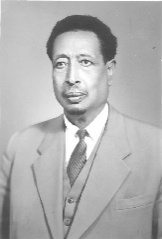
Qegnazmach Tsemru Gebreselassie was born in Debre Berhan, Ethiopia, in 1894. He was the son of His Excellency Tsehafe Teezaz Gebreselassie and Her Excellency Woizero Esethe. He received his education through Ethiopia’s traditional school system. He later married Woizero Senayit Wolde Gebriel, with whom he raised his large family in Addis Ababa.
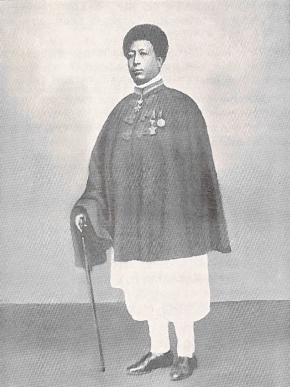
Throughout his career, Qegnazmach Tsemru held several positions in the Ethiopian government and received numerous medals in recognition of his many years of public service.
He served at the Ministry of the Pen as director general in the minister’s office and later as chief administrator at the Ministry of Defense. In 1920, during the reign of Empress Zewditu, he was appointed Negadras (Chief of Commerce), serving first in Harer and subsequently in Wellayita.
Following his imprisonment on Asinara, Qegnazmach Tsemru returned to Ethiopia and served on the Hamle 16 Committee to commemorate Emperor Haile Selassie’s birthday. He later served as a Member of Parliament until his retirement. He died after a brief illness on January 22, 1971, at the age of 77, and was buried in Entoto Qedus Raguel Cemetery.
Getabicha Tsemru
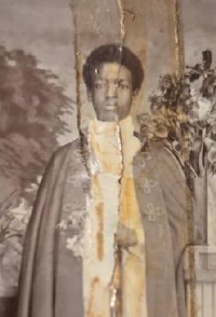
Qegnazmach Tsemru’s eldest son Getabicha Tsemru was already a major in the Ethiopian army when he was taken to Asinara. He never married and has no descendants. Among the most painful consequences of the family’s imprisonment was Getabicha’s death following a brief illness. His family learned of his death through a letter that Tigashaw wrote to his younger brother in which Getabicha’s signature was missing. Thus, the family came to realize that he was no longer alive, compounding the grief of relatives already suffering in isolation.
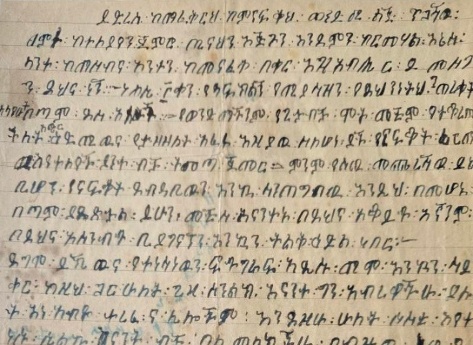
We know from the personal diary of Qegnazmach Dehne Wolde Maryam, who was also a prisoner on Asinara, that Getabicha was buried there. Qegnazmach Dehne writes in his diary, “On February 8th, the son of Qegnazmach Tsemru Gebreselassie, the one called Getabicha, passed away after suffering illness. He is buried here on Asinara in the same place where Weizero Romaneworq’s child had been laid to rest. Abba Barlassina led a seven-day Prayer for the Departed Soul (fithat) over the Psalms of David that he had brought for us.” During our visit to the Campo Faro Cemetery on Asinara in 2025, no gravestones were found for the Ethiopian prisoners who had died on the island. The only gravestones present belonged to a small number of prisoners from World War I, and the cemetery itself was in a state of disrepair.
Tigashaw Tsemru
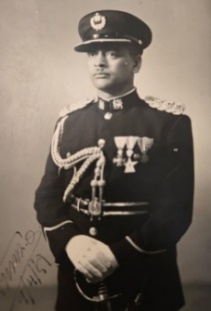
Getabicha’s younger brother, Tigashaw Tsemru, was the second oldest of Qegnazmach Tsemru’s children. He was born in Addis Ababa on July 14, 1903. He married Woizero Roman Mekonnen, and together they had four children.
Following his imprisonment, Tigashaw joined the Ethiopian Army and rose to the rank of colonel. He later became a military judge. Colonel Tigashaw died in the early 1960s.
Imprisonment on Asinara
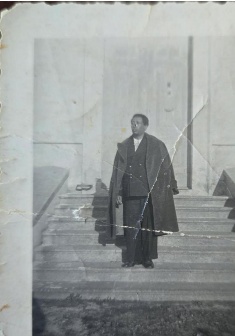
Following the Yekatit 12 massacre Italian authorities targeted suspected members of the resistance as well as people believed capable of influencing Ethiopian society, including members of the nobility and the educated class. Qegnazmach Tsemru and his sons were among those targeted.
They were transported by ship to Asinara Island, where they were imprisoned for two years. Qegnazmach Tsemru and Tigashaw were eventually able to return to Ethiopia.
The limited information available about the family’s imprisonment comes from a small number of letters that have survived. These letters were exchanged between Qegnazmach Tsemru and his wife, Woizero Senayit, and between Tigashaw and his siblings in Ethiopia. In them, family members in Ethiopia expressed their longing for photographs of their loved ones after learning that other prisoners had sent photographs home. This detail poignantly conveys the anguish created by their forced separation.
Archival Research and Unresolved Questions
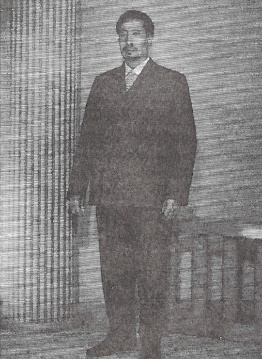
To date, no official records concerning the Tsemru family’s imprisonment in Italy have been found. Like many descendants of those taken during the occupation, the family has little documentation of its ancestors’ experiences.
Of particular importance are records from official Italian sources or other archives that might identify Getabicha Tsemru’s final resting place. The family hopes that archives in Italy or Ethiopia will eventually shed more light on this period.
A Family Account from During the Occupation
A striking family story connects a personal memory with the broader history of occupation, displacement, and return.
Qegnazmach Tsemru and Woizero Senayit lived with their family in an impressive two-story house in the Entoto area of Addis Ababa. During the occupation, an Italian commanding officer evicted the family and moved into the house with his own family. Despite these difficult circumstances, two boys—one from each family—became friends, reflecting the innocence of childhood amid the realities of war and occupation.
After the war, the Italian officer and his family returned to Italy. Many years later, two of his children, a son and a daughter, returned to Ethiopia in search of the house where they had lived during the occupation.
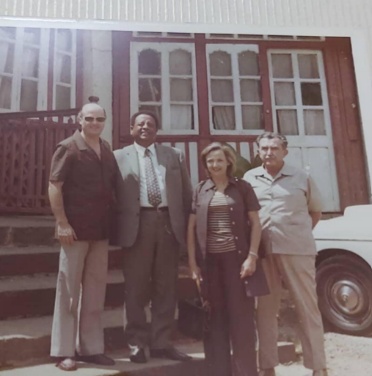
The photograph shows the two children, now adults (Nini and his sister, Alma, on either side of Ato Debebe Tsemru—the younger brother of Tigashaw and Getabicha— and an unidentified Italian man) during their visit to Ethiopia. Ato Debebe hosted them for lunch at an Ethiopian restaurant.